Leaking Ceiling Repair in Charleston, SC
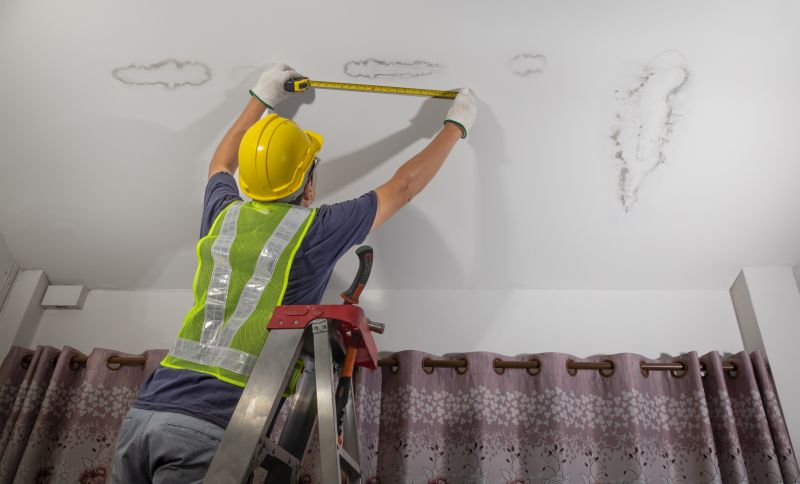
Leaking ceiling repair services address damage caused by water infiltration that results in visible stains, sagging, or dripping ceilings. These projects typically involve identifying the source of the leak, whether from plumbing issues, roof damage, or HVAC systems, and then restoring the affected ceiling areas. Property owners often seek this service to prevent further structural damage, mold growth, or interior damage to walls and furnishings, making timely repairs essential to maintaining a safe and comfortable home environment.
Homeowners considering leaking ceiling repairs usually want to understand the scope of work involved, including inspection procedures, repair methods, and the materials used for restoration. It’s also helpful to clarify whether the repair will include addressing the underlying cause of the leak to prevent recurrence. Clear communication about the process and expectations can ensure that property owners are well-informed and confident in managing the repair project effectively.
Many property owners in Charleston, SC look into Leaking Ceiling Repair for repairs, replacements, upgrades, and appearance-related improvements.
Identifying Ceiling Leaks
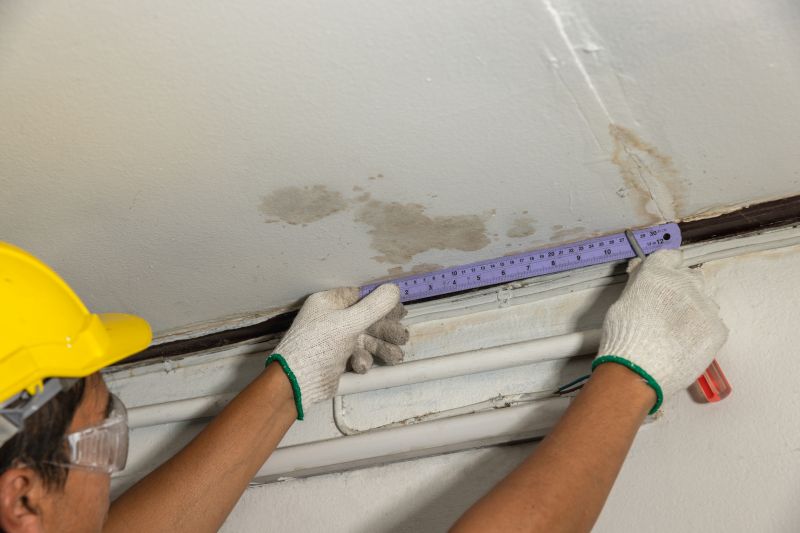
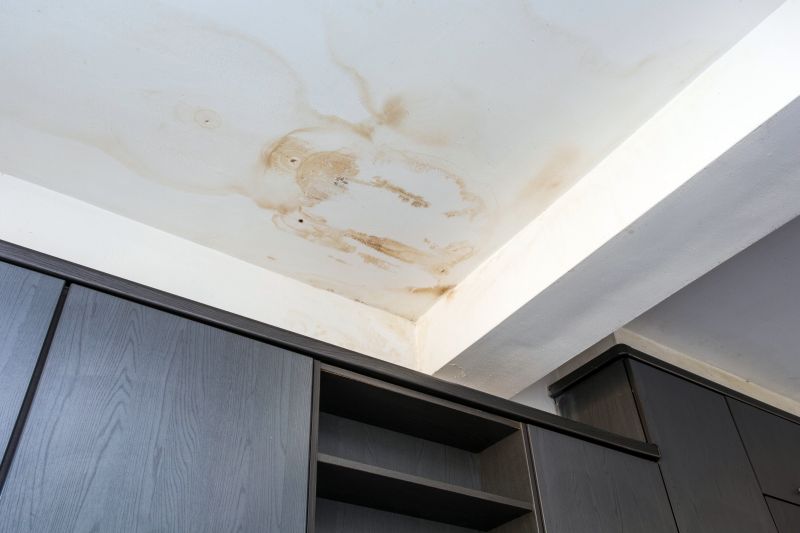
Signs of water stains, sagging, or peeling paint indicate potential ceiling leaks in charleston homes.
Common Causes Of Leaking Ceilings
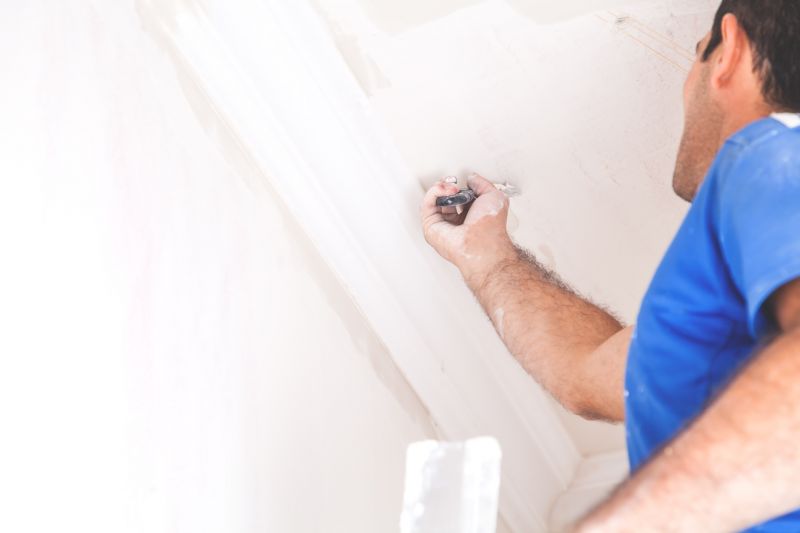
Roof damage, plumbing issues, and hvac condensation are frequent reasons for ceiling leaks in the area.
Preventing Future Damage
Regular roof inspections and prompt repairs can help avoid costly ceiling repairs in charleston properties.
Leaking Ceiling Repair in Charleston, SC

Leaking ceiling repair services address damage caused by water infiltration that results in visible stains, sagging, or dripping ceilings. These projects typically involve identifying the source of the leak, whether from plumbing issues, roof damage, or HVAC systems, and then restoring the affected ceiling areas. Property owners often seek this service to prevent further structural damage, mold growth, or interior damage to walls and furnishings, making timely repairs essential to maintaining a safe and comfortable home environment.
Homeowners considering leaking ceiling repairs usually want to understand the scope of work involved, including inspection procedures, repair methods, and the materials used for restoration. It’s also helpful to clarify whether the repair will include addressing the underlying cause of the leak to prevent recurrence. Clear communication about the process and expectations can ensure that property owners are well-informed and confident in managing the repair project effectively.
Many property owners in Charleston, SC look into Leaking Ceiling Repair for repairs, replacements, upgrades, and appearance-related improvements.
Common Leaking Ceiling Repair Jobs
Ceiling Leak Repairs - addressing leaks to prevent water damage and mold growth.
Water Damage Restoration - removing excess moisture and restoring ceiling integrity.
Ceiling Patch and Replacement - repairing or replacing damaged drywall caused by leaks.
Roof Leak Repairs - fixing roofing issues that lead to ceiling leaks.
Insulation Drying and Replacement - preventing mold by drying or replacing wet insulation.
Leak Detection Services - identifying the source of leaks to prevent future damage.

Leaking Ceiling Repair Questions
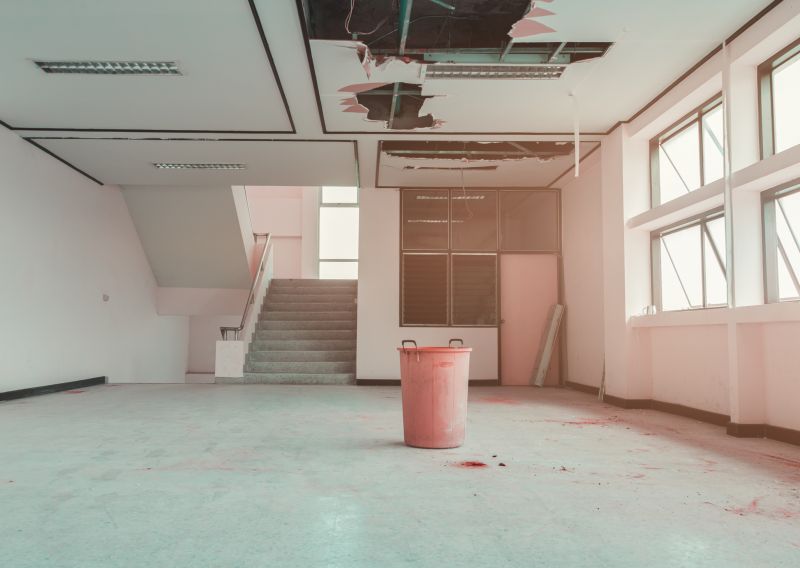
What causes a ceiling to leak? Leaks often result from roof damage, plumbing issues, or HVAC condensation that allows water to seep into ceiling materials.
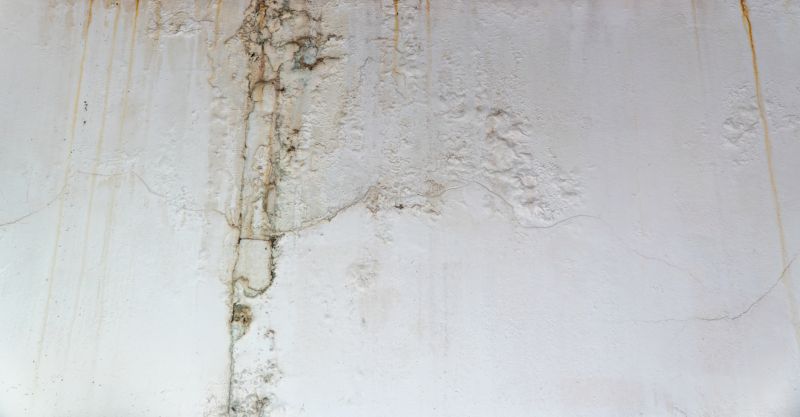
How can I tell if my ceiling is leaking? Signs include water stains, discoloration, sagging, or peeling paint on the ceiling surface.
Is ceiling repair necessary after a leak? Yes, repairing the ceiling helps prevent further damage, mold growth, and maintains the integrity of the space.
What types of ceilings can be repaired for leaks? Most common ceiling types, including drywall and plaster, can be repaired to address leak damage effectively.
Request Leaking Ceiling Repair in Charleston, SC
Use the quote form on this page to share the basics of your project and request more information for the type of work you need.